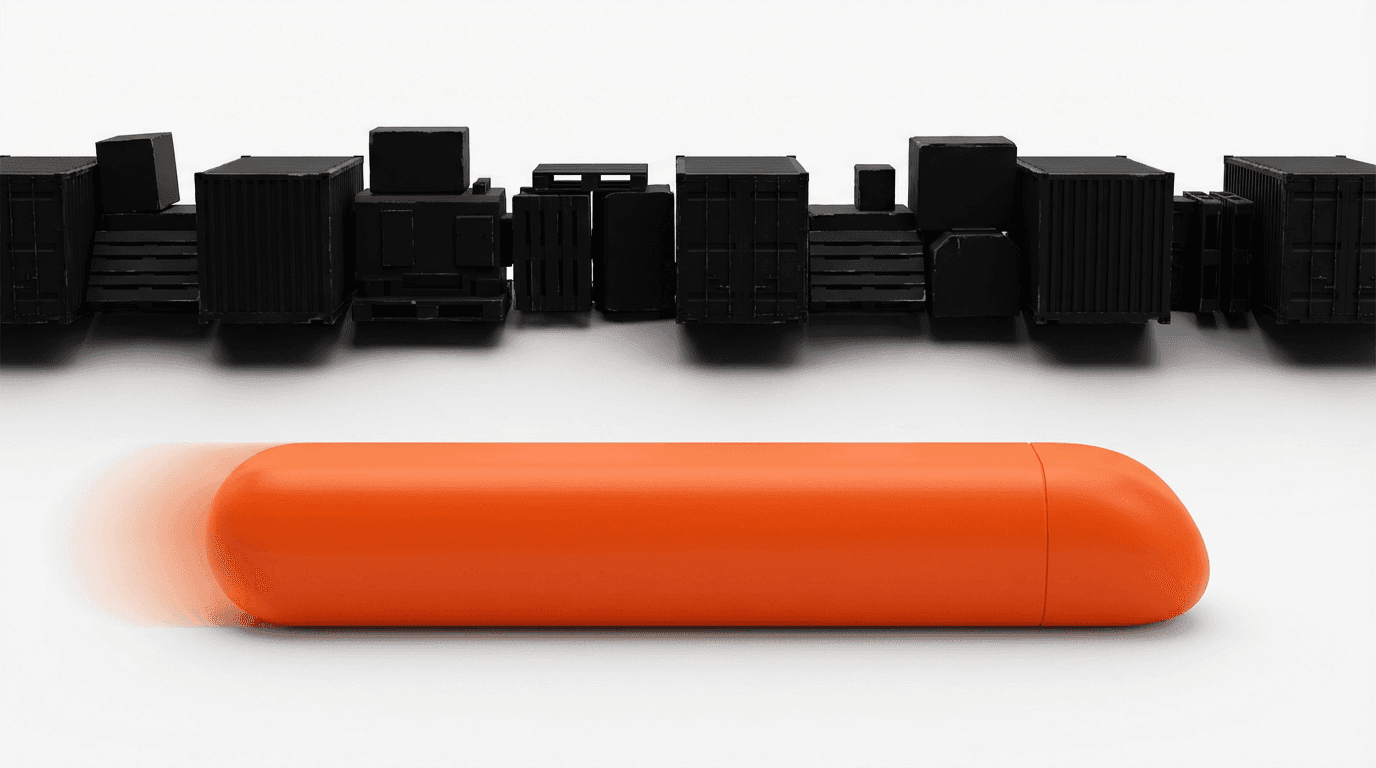
The 2026 Craft Beer Marketing Strategy: Why Speed is the New Scale
 By Julius Pau | 1/13/2026
The era of "brew it and they will come" is officially over.
For nearly twenty years, the craft beer industry was defined by explosive growth. If you could brew more, you could sell more. But as we settle into 2026, the industry has hit a "Great Reset." Closures are outpacing openings in mature markets, and the old "growth at all costs" model is being replaced by a need for efficiency and intentionality.
If you are a brewery owner or marketer, your goal is no longer just to fill tanks. It is to extract the maximum value from every single can you produce.
To survive this shift, you need a robust craft beer marketing strategy 2026. This guide breaks down the new rules of the game and reveals why "Speed to Market" is the only metric that matters.
The "Barbell Economy": Why the Middle is Dead
The most critical change in the market is the disappearance of the middle ground. Analysts call this the "Barbell Economy."
- The Value End: Consumers worried about inflation are sticking to trusted macro brands for their daily drinkers.
- The Premium End: When people do buy craft beer, they treat it as an affordable luxury. They are buying less total volume, but they are willing to pay significantly more for a four-pack if the experience justifies it.
- The Kill Zone: The middle—mediocre beer with average branding—is where breweries go to die.
Visuals Are the New Taste Test
In this premium market, your packaging is the primary way customers judge quality. If your marketing looks cheap, the consumer assumes the beer is cheap, no matter how good the liquid actually is.
Today’s consumer lives in a "scrolling economy." Whether they are on Instagram or a digital menu, the visual identity of your beverage is just as important as its flavor. You aren't just selling a Stout; you are selling a "Pastry Stout with locally roasted coffee," and the image needs to make the viewer taste that dessert profile through their screen.
The "Pre-Sell" Trap: Selling Beer That Doesn't Exist Yet
Here is the biggest operational headache for modern breweries: Seasonal Creep.
Retailers and big-box stores plan their shelf layouts 3 to 6 months in advance. If you want your Octoberfest lager on the shelf in September, you need to pitch it to distributors in June.
This creates a massive disconnect. You have to sell the beer to a buyer months before you actually brew it.
In the past, breweries struggled with this. They would rush "pilot batches" just to get a few bottles for a photoshoot, or they would use low-quality mockups that failed to impress buyers. This "Marketing Lag" meant lost sales. If a buyer can’t see the final product, they are less likely to commit to it.
In 2026, the winners are the breweries that can show a distributor a high-fidelity, perfect image of the product before the liquid is even mashed in.
The Problem with Traditional Photography
To win the "Pre-Sell," you need great images fast. But traditional photography is too slow and too expensive for the 2026 pace.
Think about the traditional workflow:
- Wait for Production: You can’t shoot the can until the canning line runs.
- Shipping Logistics: You have to pack heavy cans and ship them to a studio. This risks damage and costs money.
- The Studio Wait: Photographers charge day rates and take time to set up lighting and props.
- Editing: Retouching takes even more days.
By the time you get your photos, the "hype window" for your new release is already half over. This process eats up your "Working Dollars"—money that should be spent on ads or events is instead wasted on shipping and studio fees.
The Solution: Virtual Photography (HoppyShots)
This is where Virtual Photography (CGI) changes the game.
Services like HoppyShots decouple asset creation from physical production. You don't need to wait for the beer to be brewed. You just need the label file.
We use the same 3D rendering technology used in Hollywood VFX to wrap your label onto a digital can. The software simulates the physics of light, creating photorealistic reflections, shadows, and condensation that look better than real life.
Why Virtual Wins in 2026
1. Unmatched Speed
We can generate assets in 24-48 hours.
- Scenario: You decide on Monday to launch a Hazy IPA for a Saturday festival.
- Result: You upload the label Monday morning, get the social assets Tuesday morning, and launch pre-orders Tuesday afternoon.
2. Massive Cost Savings
Traditional photography is full of hidden costs. Virtual production strips those away.
| Cost Driver | Traditional Photography | Virtual Photography (HoppyShots) |
|---|---|---|
| Per Image Cost | ~€45.00 (avg) | ~€10.00 |
| Shipping & Logistics | High (Variable) | €0.00 |
| Time to Delivery | 1-3 Weeks | 24-48 Hours |
| Annual Savings | N/A | ~€4,620 |
Saving ~€4,600 a year is equivalent to the revenue from selling 30 extra kegs of beer.
3. Sustainability (Scope 3 Emissions)
Gen Z consumers demand "Radical Transparency" regarding sustainability. Traditional photography has a surprising carbon footprint due to shipping heavy glass and cans across the country.
Virtual photography has a Zero Carbon Footprint for content creation. You can market this efficiency to your customers: "This image was created with 0g of CO2 emissions."
4. Infinite A/B Testing
Because the can is digital, you can change the background or the label instantly. Want to see if a blue label performs better than a green one? Render both, post them to Instagram Stories, and see which one gets more clicks before you print the labels. This data-driven approach minimizes the risk of a flop.
Conclusion: Speed to Market is the New KPI
The craft beer marketing strategy for 2026 is simple: be fast, be premium, and be efficient.
The ability to conceptualize, visualize, and sell a product before the liquid is brewed is the new dividing line between thriving breweries and those facing obsolescence.
Stop spending your budget on shipping bottles to photographers. Start shipping concepts. With HoppyShots, you can win the shelf and the feed before the brew day even begins.